Healthy Meal Plans: 1-Week or 1-Month Balanced Guide
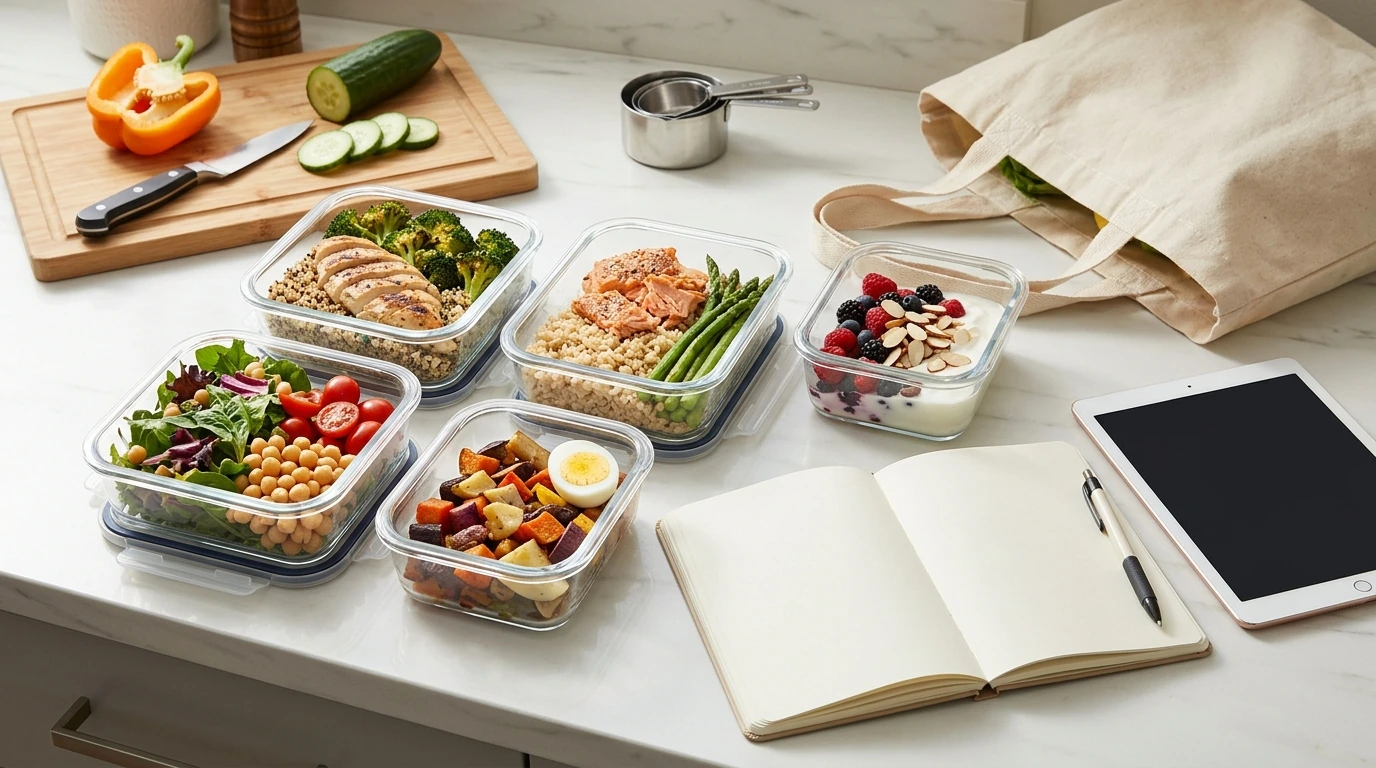
Healthy Meal Plans Made Simple: One Week or One Month of Balanced Recipes
A structured meal plan removes the daily guesswork and supports steady energy, better portions, and more consistent nutrition. With a simple framework, it’s easier to build breakfasts, lunches, dinners, and snacks that feel satisfying—without turning every meal into a math problem. Below is a practical way to run a one-week or one-month plan, plus prep strategies, flexible swaps, and an easy method to keep meals balanced using the same principles found in guides like USDA MyPlate and the Harvard Healthy Eating Plate.
What a Balanced Meal Plan Looks Like (Without Overcomplicating It)
A balanced meal is less about perfection and more about repeatable structure. A reliable formula: protein + fiber-rich carb + colorful produce + healthy fat. That combination supports satiety and helps avoid the “hungry again in an hour” cycle.
For variety across the week, rotate proteins (chicken, beans, fish, tofu), grains (oats, quinoa, rice), and vegetables (fresh and frozen both count). Also plan for real life: include at least two low-effort dinners and two meals that intentionally create leftovers.
Simple Balanced Plate Guide
| Meal Component | Easy Options | Why It Helps |
|---|---|---|
| Protein | eggs, Greek yogurt, beans, lentils, chicken, tofu, canned tuna/salmon | Supports fullness, muscle maintenance, and steady energy |
| Fiber-rich carbs | oats, brown rice, quinoa, whole-grain bread, sweet potato, fruit | Adds fiber for digestion and longer-lasting satisfaction |
| Vegetables | leafy greens, broccoli, peppers, carrots, frozen mixed veg, tomatoes | Boosts vitamins, minerals, and volume without excess calories |
| Healthy fats | olive oil, avocado, nuts, seeds, nut butter | Improves satiety and helps absorb fat-soluble vitamins |
| Flavor boosters | lemon, herbs, salsa, garlic, vinegar, spice blends | Makes repeat meals enjoyable so the plan is sustainable |
One-Week Plan vs One-Month Plan: Which Fits Best?
One-week planning is the easiest entry point: it works well for changing schedules, picky-eater curveballs, and minimizing food waste. It also keeps produce fresher and makes it simpler to adjust portions based on how hungry everyone actually was.
One-month planning shines when decision fatigue is the main problem. A month-long structure supports batch cooking, cost control, and “set it and forget it” routines—especially when you have freezer space for soups, sauces, and cooked grains.
A popular hybrid approach: keep breakfast and snacks consistent for the month (a dependable rotation), then plan dinners week by week. Choose your rhythm based on how often you can shop and how much storage you have.
A Practical Weekly Framework (Breakfast, Lunch, Dinner, Snacks)
Instead of reinventing every meal daily, build a short list of staples and vary flavors.
Breakfast: 2–3 staples, endless variations
Rotate overnight oats, an egg-based meal, and a smoothie. Change toppings (berries vs. banana, chia vs. walnuts, cinnamon vs. cocoa) to keep it interesting without adding complexity.
Lunch: make-ahead meals that hold up
Pick 2–3 lunches that stay good for a few days: grain bowls, hearty-green salads, and soups are reliable. Add crunch or fresh toppings at serving time (cucumber, seeds, tortilla strips) so the texture stays appealing.
Dinner: schedule by “style,” not by stress
A balanced week can include: 1 sheet-pan meal, 1 slow-cooker/one-pot meal, 1 quick stir-fry, and 1 leftover night. Two additional dinners can be “low-effort” backups (rotisserie chicken night, breakfast-for-dinner, frozen veggie + protein + sauce bowl).
Snacks: prevent energy crashes
When snacks make sense, pair protein + fiber: apple + nut butter, yogurt + berries, hummus + veggies, or a handful of nuts with fruit. This keeps snacks satisfying instead of turning into constant grazing.
Mix-and-match components (the shortcut that feels like variety)
Cooked grain + roasted vegetables + a protein + a sauce becomes multiple meals: bowl one day, wrap the next, salad topper after that. This is the simplest way to eat “different” while shopping and prepping less.
Meal Prep That Actually Saves Time
Meal prep works best when it reduces weekday friction rather than creating an all-day Sunday project.
Smart Swaps for Dietary Preferences (No Full Plan Rewrite Needed)
Make It Stick: Budget, Variety, and Sustainability Tips
Recipe Collections and Done-for-You Planning
If having both a quick-start week and a longer routine sounds useful, this option includes one-week and one-month planning formats: Healthy Meal Plan & Recipe Collection | One-Week or One-Month Healthy Meal Plan with Recipes for Breakfast, Lunch, Dinner & Snacks | Balanced Nutrition eBook.
For days when stress and fatigue make planning harder, pairing a meal routine with a short reset can help keep decisions steady: 5-Minute Reset for Exhausted Parents (3 in 1) | Audio Course | Mindfulness Breathing, Emotional Reset & Energy Boost.
If meal planning is part of supporting a calmer household rhythm, this family-focused resource can complement routines and consistency: Confident Kids Bundle: Nurturing Emotional Strength | 3-in-1 Bundle.
FAQ
Is a one-month meal plan too rigid for a busy schedule?
It doesn’t have to be rigid if it’s built with rotating themes, a short swap list (protein, veggie, carb), and one weekly “flex meal” for leftovers or eating out. Freezer backups and planned leftover nights make a month plan feel adaptable instead of strict.
How many snacks per day fit a healthy plan?
Most people do well with 0–2 snacks depending on hunger, activity level, and meal timing. Choose protein-plus-fiber pairings (like yogurt and berries or hummus and veggies) and portion them intentionally so snacks support meals rather than replace them.
Do balanced meal plans require calorie counting?
No—many balanced plans work well using portion cues like the plate method and consistent building blocks (protein and produce at most meals). Structure and repeatable combinations can improve consistency without strict tracking.












Leave a comment