Pet Temperament 101: Decode Dog & Cat Behavior Signals
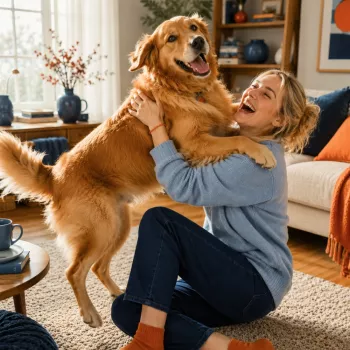
Why Your Pet’s Temperament Matters More Than “Good” or “Bad” Behavior
Temperament is the baseline “style” your dog or cat brings to daily life—how quickly they react, what they find rewarding, and how fast they recover after stress. When that baseline is understood (and you learn the signals layered on top of it), training becomes clearer, handling becomes safer, and many common behavior problems become easier to prevent.
Instead of asking, “Why is my pet doing this?” it often helps to ask, “What emotional setting is my pet starting from today?” That shift can guide everything from the kind of play you choose to how you introduce visitors or practice grooming.
What Temperament Is (and What It Isn’t)
Temperament refers to relatively stable patterns that show up across situations. In dogs and cats, this can include sociability, sensitivity to noise or touch, energy level, confidence, and frustration tolerance. It’s not a label like “stubborn” or “mean”—it’s a description of how strongly and how quickly a pet reacts to the world.
Behavior, by contrast, is what happens in a specific moment. The same pet can behave very differently depending on context, health, learning history, and environment. A dog with a cautious temperament might happily sit on cue at home but freeze in a loud park. A cat with an independent temperament may be affectionate in the morning and uninterested at night.
Personality is often used to describe the whole package—habits, preferences, learned routines—while temperament points to the underlying emotional reactivity. Matching handling, enrichment, and training intensity to your pet’s baseline reduces stress and supports better welfare.
Key Influences on Behavior: Genetics, Early Experience, and Health
Genetics set tendencies, not destinies
Breed traits and individual genetics can bias a pet toward certain motivations—chasing, guarding, bonding closely, exploring—without guaranteeing any single outcome. Two dogs of the same breed can still differ dramatically in confidence, noise sensitivity, or sociability.
Early experience shapes what feels “normal”
Early socialization affects what a pet learns is safe. Gaps may show up later as fear, reactivity, avoidance, or difficulty settling in new environments. Gentle, gradual exposure (not forced interaction) is usually more effective than “getting it over with.”
Health changes behavior fast
Medical issues can masquerade as “attitude.” Pain, dental disease, arthritis, allergies, gastrointestinal discomfort, thyroid issues, and sensory decline can all shift tolerance and reactivity. If a behavior change is sudden or escalating, a veterinary check should come before a training plan. Medication and supplements should be guided by a veterinarian, and behavior work tends to move faster once discomfort is addressed.
Reading Signals: Body Language That Predicts Comfort vs. Stress
Single cues can be misleading, so watch for clusters. A relaxed posture plus loose facial muscles communicates something different than the same wagging tail paired with stiffness and a hard stare.
Dogs often show early stress with lip-licking, yawning when not tired, turning the head away, freezing, a tucked tail, pinned ears, and “whale eye” (white of the eye showing). Cats often show early stress with a low crouch, flattened ears, tail tucked or twitching, dilated pupils, sudden grooming, and hiding or scanning the room.
| Signal | Common meaning | Supportive response |
|---|---|---|
| Freezing or sudden stillness (dog/cat) | Uncertainty; possible escalation if pressure continues | Stop approaching, reduce handling, give space, offer a calm exit route |
| Lip-licking, yawning, head turn (dog) | Mild stress; appeasement | Lower intensity, slow movements, reward calm, shorten session |
| Tucked tail, crouched posture (dog/cat) | Fear/avoidance | Increase distance, avoid reaching over, allow hiding, pair triggers with treats at a safe distance |
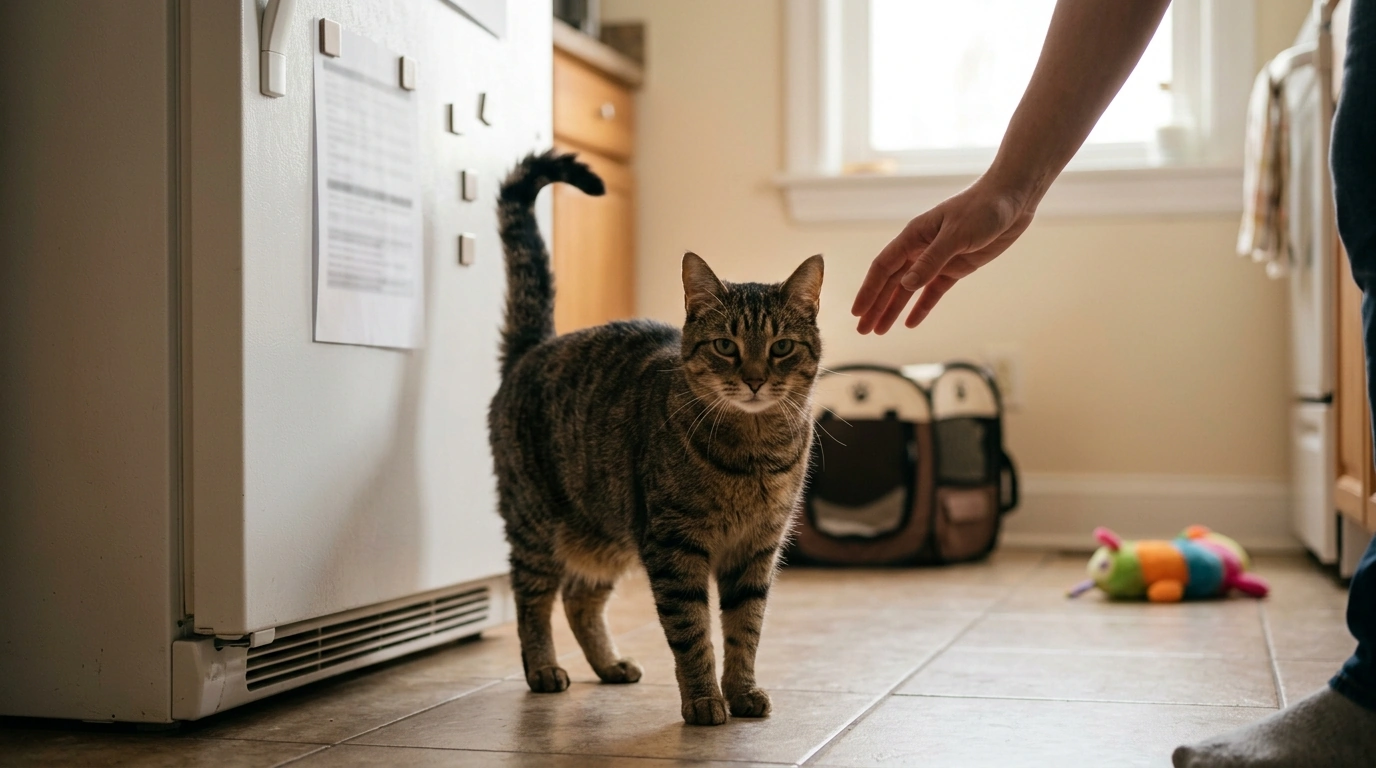
| Tail thrashing or twitching (cat) | Overstimulation or agitation | End petting/play, offer a toy or space, avoid restraint |
| Play bow (dog) | Invitation to play; friendly intent | Offer structured play, practice start/stop cues, avoid overstimulating rough play |
| Purring (cat) | Can be contentment or self-soothing under stress/pain | Check context; if paired with hiding/tense body, reduce stress and consider a vet check |
Common Temperament Profiles (and What Helps Each One)
Sensitive or cautious pets
High-energy, novelty-seeking pets
Independent or easily overstimulated pets
Social, attention-driven pets
Low frustration tolerance
Better Training by Matching Methods to Temperament
Care Routines That Prevent Problems Before They Start
Recommended Guides for Better Behavior and Enrichment
- Understanding Your Pet’s Temperament: A Complete Guide to Decoding Dog and Cat Behavior for Better Care and Training
- Enrichment Ideas for Indoor Cats | Printable Cat Enrichment Guide | DIY Toys, Play Routines, and Cat-Friendly Home Tips
When to Get Professional Help
Trusted References
- American Veterinary Society of Animal Behavior (AVSAB) — Position Statements
- ASPCA — Cat Behavior Resources
- RSPCA — Dog Behaviour and Training Advice
FAQ
How can temperament be told apart from a training problem?
Temperament is the baseline reactivity and preferences your pet starts with, while training reflects learned skills and habits. A cautious pet can learn cues quickly yet still startle easily or need more recovery time after stress. Look at patterns across settings and how long it takes your pet to settle after a trigger.
Why does a friendly dog or cat suddenly growl, hiss, or swat?
Common causes include overstimulation, pain, fear, guarding, or feeling trapped without an escape route. Warning signs often appear first—stiffness, freezing, tail flicking, or pinned ears—so giving space early helps. If it’s new or escalating, avoid punishment and schedule a veterinary check.
What are simple daily habits that improve behavior fast?
Keep routines predictable, do short training bursts, and add enrichment that fits the species (sniffing and puzzles for dogs; play in short “hunt” cycles followed by food and rest for cats). Use consent-based handling and reduce avoidable triggers while your pet builds skills. Consistency tends to outperform intensity.










Leave a comment