Solo Travel Safety Checklist: Plan, Protect, Go Confident
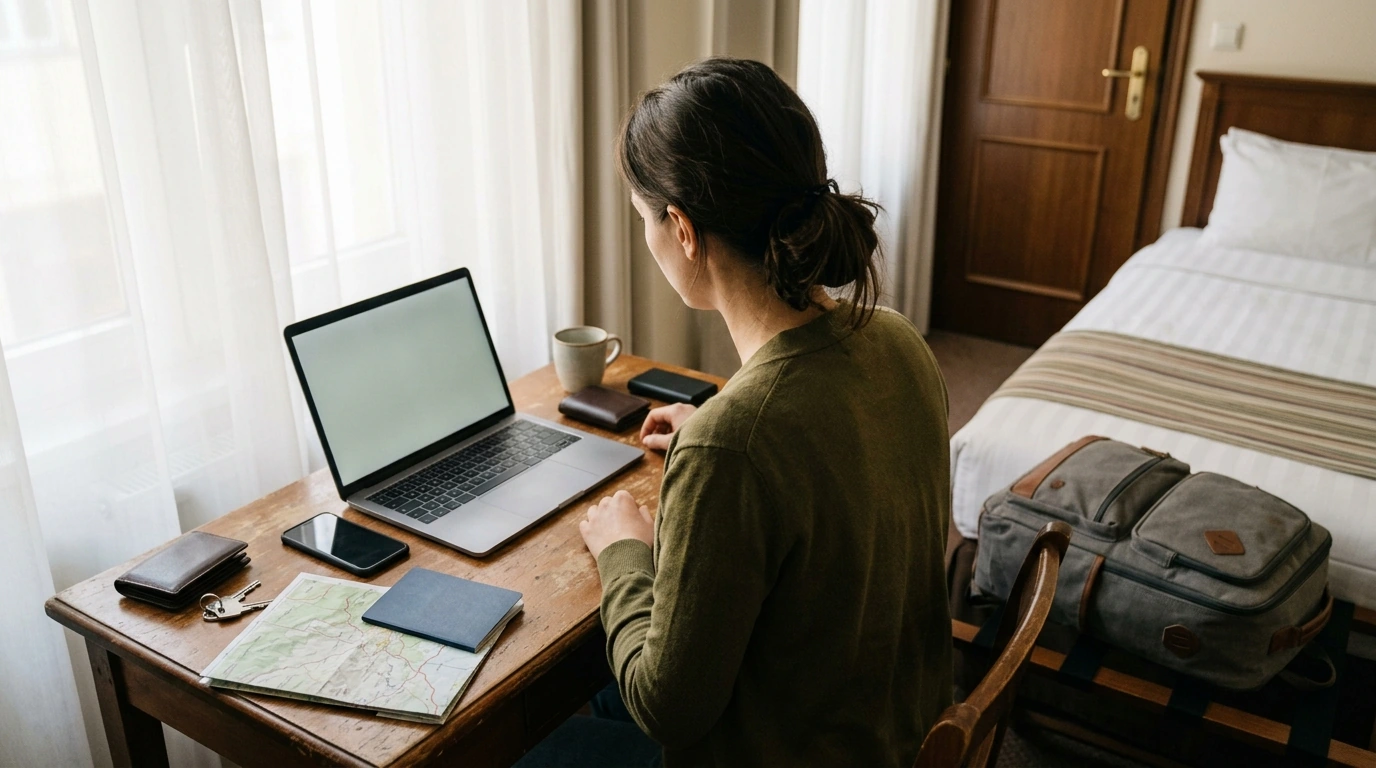
Solo Traveler’s Guide to Staying Safe: Practical Planning, Smart Habits, and a Ready-to-Use Checklist
Solo travel can feel freeing and empowering, but it also puts planning and decision-making fully in one set of hands. A safer trip usually comes down to repeatable habits: choosing the right lodging, keeping a low profile, managing devices and documents, and having a simple plan for the moments that go wrong. Use the sections below to set up a realistic safety routine before departure and to stay consistent once on the road.
Start With a Simple Risk Plan (Without Overthinking)
Safety planning works best when it’s specific, short, and easy to repeat. Instead of trying to anticipate every scenario, build a “trip profile” and decide how you’ll respond to a handful of common problems.
- Define the trip profile: list your destination(s), length of stay, transit types, and any higher-risk timing (late-night arrivals, long hikes, nightlife, remote areas).
- Identify top risks for your route: note scam patterns, pickpocket hotspots, seasonal weather, transportation concerns, and local laws that could affect you.
- Set boundaries before you’re tired: decide your alcohol limits, nighttime cutoffs, and which areas/activities are “no-go” when alone.
- Create a communication routine: schedule check-ins with one trusted contact and agree on what they should do if a check-in is missed.
- Write a short if-then plan: if phone is lost, if wallet is stolen, if approached aggressively, if a ride feels unsafe.
For destination-specific updates, check U.S. Department of State Travel Advisories and keep a quick note of any neighborhoods or transit routes they highlight.
Pre-Trip Safety Setup: Documents, Money, and Digital Backups
The most stressful solo travel moments often involve missing items: a phone, a passport, a card. Setting up backups reduces panic and makes it easier to act fast.
- Store duplicates: keep digital copies of passport/ID, visa, travel insurance, and itinerary in a secure cloud folder and an offline copy on your phone.
- Split valuables: carry one payment method and limited cash daily; keep a backup card/cash separately in lodging or a hidden pocket.
- Enable account protections: strong device passcode, biometric lock, SIM PIN, and two-factor authentication for email and banking.
- Create a “lost phone” kit: note carrier info, device model/IMEI, and steps for remote wipe and account recovery.
- Save emergency contacts offline: local emergency number, embassy/consulate details, and your travel insurer’s assistance line.
Quick Pre-Trip Safety Checklist (Print or Save)
| Category | Do This Before Departure | Notes |
|---|---|---|
| Documents | Scan passport/ID, visa, insurance; store in secure cloud + offline file | Avoid storing unencrypted copies in easily accessible folders |
| Money | Carry 2 cards total (primary + backup); split storage | Set bank travel notices; note card cancellation numbers |
| Phone & Accounts | Enable device lock, 2FA, find-my-device, SIM PIN | Keep recovery codes in a secure password manager |
| Itinerary | Share a concise itinerary with one trusted person | Include lodging addresses, key transit details, and check-in schedule |
| Health | Pack a minimal first-aid kit; verify required vaccines/meds | Keep prescriptions in original containers when possible |
| Local Info | Save emergency numbers and embassy contacts offline | Download offline maps for key areas |
For health planning and vaccine guidance, review CDC Travelers’ Health for your destination and store key notes offline.
Choosing Safer Lodging: Location, Access, and Daily Habits
When traveling solo, lodging safety is often more about location and access control than luxury upgrades.
- Prioritize location over perks: choose well-lit, well-reviewed areas with easy transit access and late-hour services nearby.
- Verify access controls: staffed reception (when possible), secure entry, functioning locks, and clear visitor policies.
- Pick a room strategically: avoid ground-floor rooms when feasible; choose a floor that balances accessibility and security.
- Arrive during daylight when you can: first impressions are clearer, and route-finding is easier.
- Use simple in-room habits: keep valuables out of sight, confirm exit routes, and consider a door wedge or portable alarm where allowed.
Street Smarts for Solo Days: Blending In and Avoiding Common Traps
Many real-world issues are “small” until they stack: distraction, unfamiliar streets, and someone noticing you’re unsure. The goal is to look occupied, not available.
Transportation Safety: Airports, Rides, and Night Transit
Health, Boundaries, and Personal Safety (Including Social Situations)
If Something Goes Wrong: A Calm, Repeatable Response
A Ready-to-Use Safety Checklist for Solo Trips
For a compact, practical option that combines tips with a checklist format, see Solo Traveler’s Guide to Staying Safe | Digital Download PDF eBook.
If you want a quick mental reset routine for travel stress (especially after a tense moment or long transit day), 5-Minute Reset for Exhausted Parents (3 in 1) | Audio Course can also work as a short breathing-and-focus tool on the road.
FAQ
What are the most important safety steps for first-time solo travelers?
Share your itinerary and check-in times with a trusted contact, choose well-located lodging, split your money/cards, secure your phone with 2FA, and plan at least two transport options for late arrivals.
How can solo travelers protect their phone and accounts while traveling?
Use a strong passcode, enable find-my-device and remote wipe, set a SIM PIN, turn on 2FA for email and banking, store backup codes securely, and keep an offline note of key numbers and recovery steps.
What should a solo traveler do immediately after theft or losing a wallet?
Get to a safe place first, cancel cards, contact your bank and travel insurer, file a report if needed for insurance, document what was taken, and use your stored backups for ID and account recovery.








Leave a comment